
Inflation, Interest Rates, and the Fed


Vice President, Investment Services
One of the most frequently asked questions recently has been, “When will interest rates start to fall?”
Higher interest rates can have vastly different implications depending on whether you are a borrower or a saver. On the one hand, rising interest rates can be desirable because our clients can earn higher yields on their checking and savings accounts, CDs, and other fixed-income investments.
On the other hand, higher interest rates make it more difficult to borrow for purchases such as a house, automobile, or other big-ticket items.
To put this in perspective, consider the following:
An investor purchasing a $10,000 one-year Treasury in 2020 may have received annual interest payments of as little as $9 (0.09%). With the one-year Treasury yield at 5.45% today, investors can earn $545 annually on that same investment.
Also, in 2020, the average 30-year fixed-rate mortgage was roughly 3.5%. Based on a home price of $200,000, a homeowner would expect to have a monthly mortgage payment of approximately $900. Today, with the average mortgage rate at around 7.6%, that same $200,000 home might cost as much as $1,400. That’s more than a 55% increase!
Considering these scenarios, it is easy to understand why so many are asking this question.
The Fed has long used monetary policy (interest rate changes) to help maintain steady economic growth and control inflation. With inflation increasing at a historic pace since early 2021, the Fed responded with an aggressive series of rate increases.
While it’s impossible to know when interest rates could begin to fall, we can look for clues from recent statements from Federal Reserve Chair Jerome Powell. At the recent Annual Economic Symposium in Jackson Hole, Wyoming, Chairman Powell noted that inflation remains too high (3.2% annualized in July vs. the Fed’s target of 2%).
He also stated, “We are prepared to raise rates further if appropriate and intend to hold policy at a restrictive level until we are confident that inflation is moving sustainably down toward our objective.”
Don’t hesitate to get in touch with your planner if you have any questions regarding the impact of higher interest rates on your financial situation.
The Effects of Investment Fees Over Time
High management fees may rob your retirement accounts and investments' ability to grow. Who's Giving You Advice When it comes to investing, everyone has an opinion on the best way to go about it. There are stockbrokers and money managers who always...

Fee-Based or Fee-Only Financial Planner?
The decision you make regarding whom you get financial and/or investment-related advice from is important. Read this article to learn the key difference between fee-only and fee-based advisors. LinkedinSeeking Financial Guidance When you need critical...
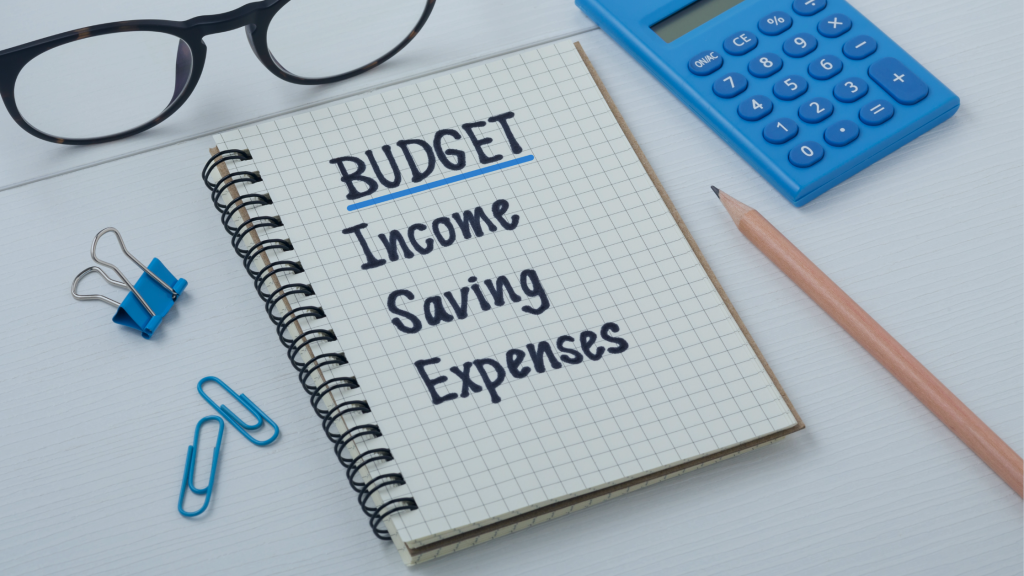
Is It Time to Set Up a Budget?
Yes, we all hate the word “budget,” but many people don’t realize that the word budget can mean many different things. It doesn’t necessarily mean that you must set strict limits for yourself on all your favorite things (dining out, shopping, coffee, etc.)...