

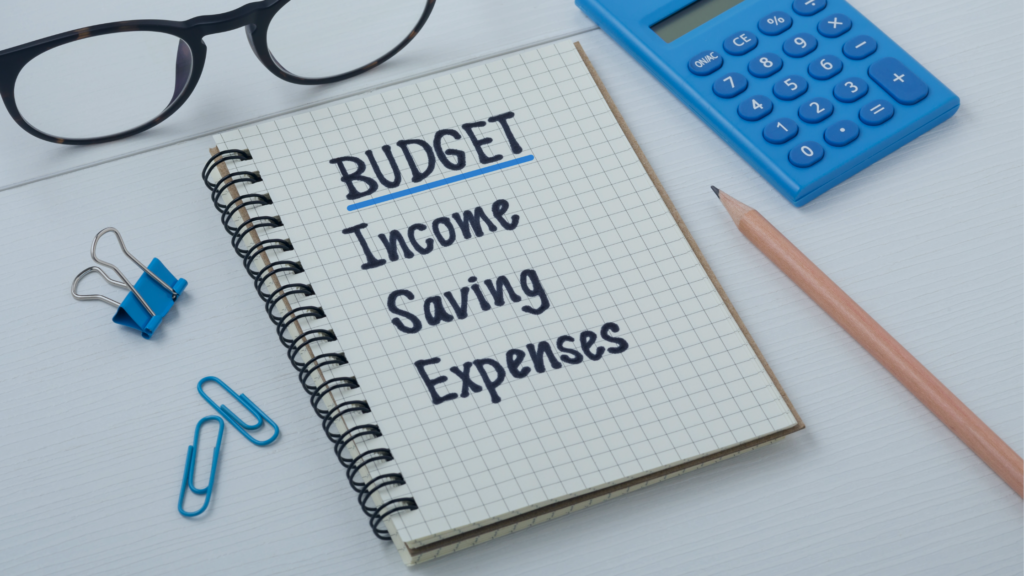
Yes, we all hate the word “budget,” but many people don’t realize that the word budget can mean many different things.
It doesn’t necessarily mean that you must set strict limits for yourself on all your favorite things (dining out, shopping, coffee, etc.) and then track them closely each month, writing down every penny you spend to make sure you don’t exceed those limits.
There are many ways to develop and follow a budget, ranging from low maintenance “set it and forget it” to the more extreme example above. The most important thing is finding a system that works for you!
First, why set up a budget?
Building a budget helps put things in perspective. We all have goals for things we want to accomplish with our money. However, we don’t all have a plan to achieve those goals or a way to ensure we can even accomplish them. A budget is a great starting point for building a plan.
💡 Helpful Tip – Review charges from your favorite service providers (think Netflix, gym memberships, etc) and apps and ensure you still use these services! Otherwise, consider eliminating these unnecessary expenses.
Second, should you set one up?
The short answer is yes! Regardless of where you are in life, if you have some income and some expenses, it never hurts to be fully aware of them.
Third – what are some ways you can do this?
Step 1:
Write down your monthly net income and regular monthly expenses to see how much is left over each month. Sometimes, this is the only step you need to follow, and it will tell you enough of what you need to know.
Step 2:
Figure out what you need to do based on Step 1.
- If your monthly expenses exceed your income or are equal to your income, then the first thing you need to focus on is how to fix this so that you have some wiggle room and money to dedicate toward monthly savings.
- If your monthly expenses are less than your income, you are off to a good start! Now, you need to figure out how to maximize the amount left over each month and where that money should go.
Step 3:
Find a system that works. This step is a little more complicated, but below are examples of how you can begin to budget.
- Set limits to your credit card spending. Look over your budget worksheet and mark off which items you use your credit card for and how much that should amount to each month. Rather than focus on specific categories, focus on the total amount you put on your credit card and try to keep it within the range needed to cover expenses.
- Automate savings; the rest of the money that accumulates each month can be spent. Set your savings up to auto-deposit into a separate account so you don’t risk spending it. Whatever remains in your checking account is used to cover your monthly expenses.
- Use an app to track your spending. There are plenty of apps that do the budgeting work for you. Make sure to review whichever tool you decide to use to ensure that it is secure. These apps typically pull in the data from your credit card and checking accounts to categorize the money you are spending. This makes it easy to check in each month and see if you are on track with your budget or if you have overspent.
Don’t forget, we are here to help! If you have any questions about your current financial plan (or lackthereof), please reach out to our team to schedule your free discovery meeting at www.seedpg.com/contact
Listen to Podcast
Watch Our Intro
Schedule Free Consultation